|
Wolfgang Paier |
|

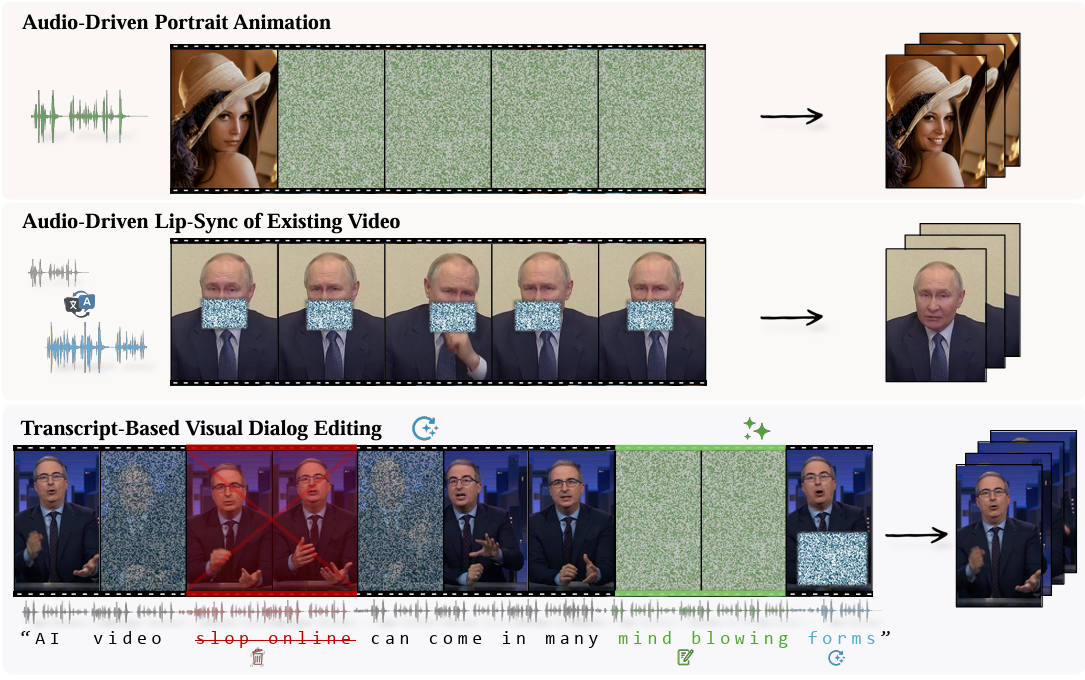
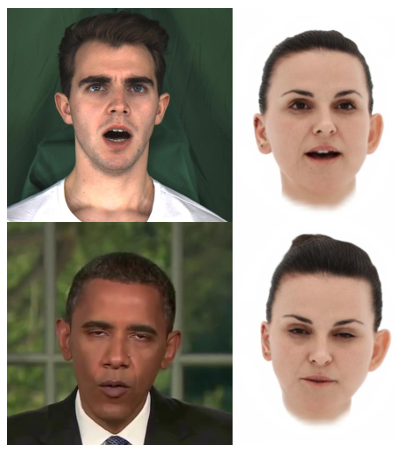
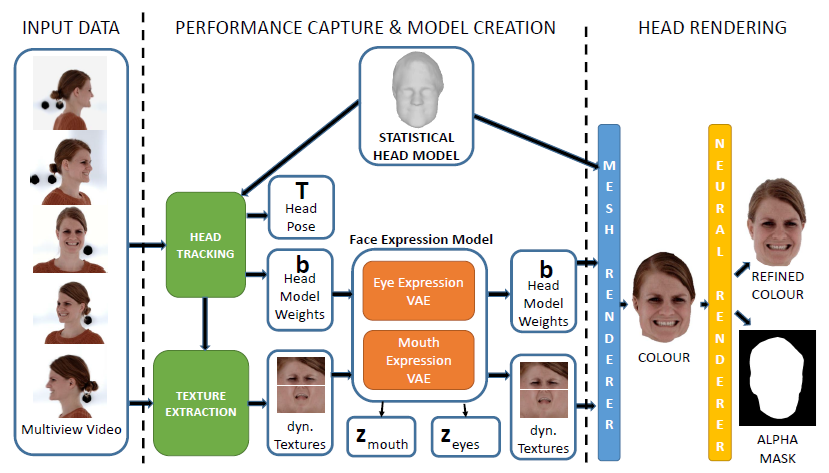
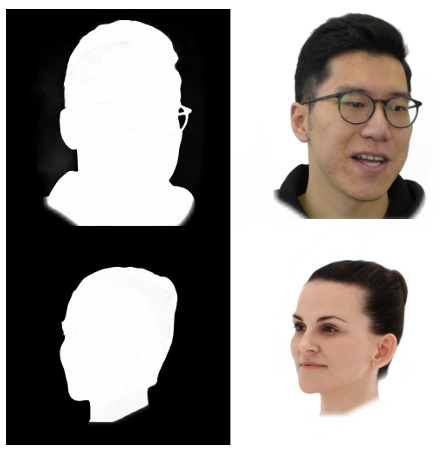
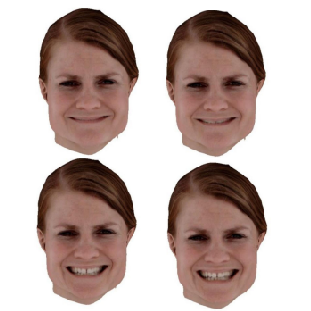
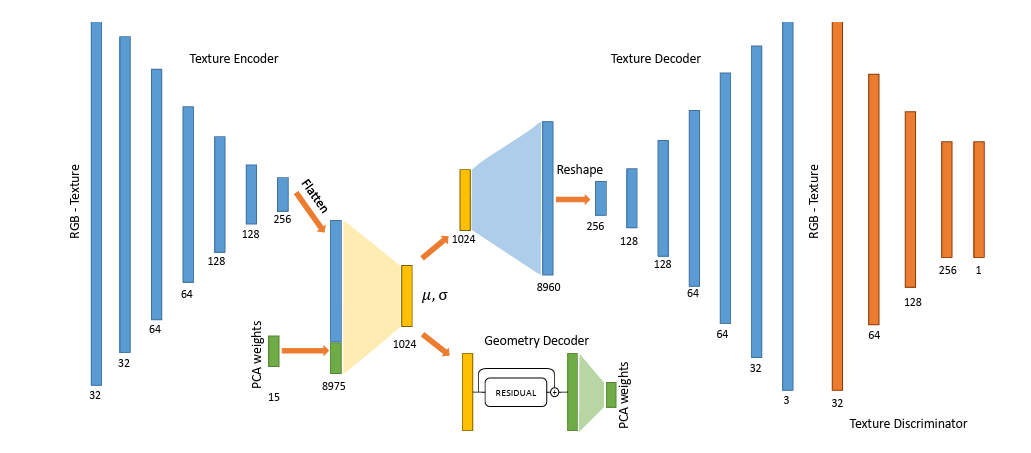
I am a Senior Machine Learning Research Engineer at Pipio AI, where I work on foundation video models for talking humans. My focus is on video diffusion models with high-quality lip synchronization, designed for video editing workflows. Previously, I was a Research Associate in the Computer Vision & Graphics group at Fraunhofer HHI, where I worked on the generation and animation of 3D talking head models using VAEs, 3DMMs, and neural rendering. I received my PhD from HU Berlin, where I was advised by Peter Eisert. |
|
ResearchMy research interests span computer vision, computer graphics, deep learning, and generative AI. Currently, my work focuses on video diffusion models for synthesizing and editing human-centric video content, with an emphasis on realistic and accurate lip synchronization. |
Publications* Indicates first author or equal contribution
|

|
Feel free to steal this website's source code. Do not scrape the HTML from this page itself, as it includes analytics tags that you do not want on your own website — use the github code instead. Also, consider using Leonid Keselman's Jekyll fork of this page. |